
Matthew A. Mishak
Attorney & AI Legal Strategist
Former Prosecutor | Defense Attorney | Tech Enthusiast
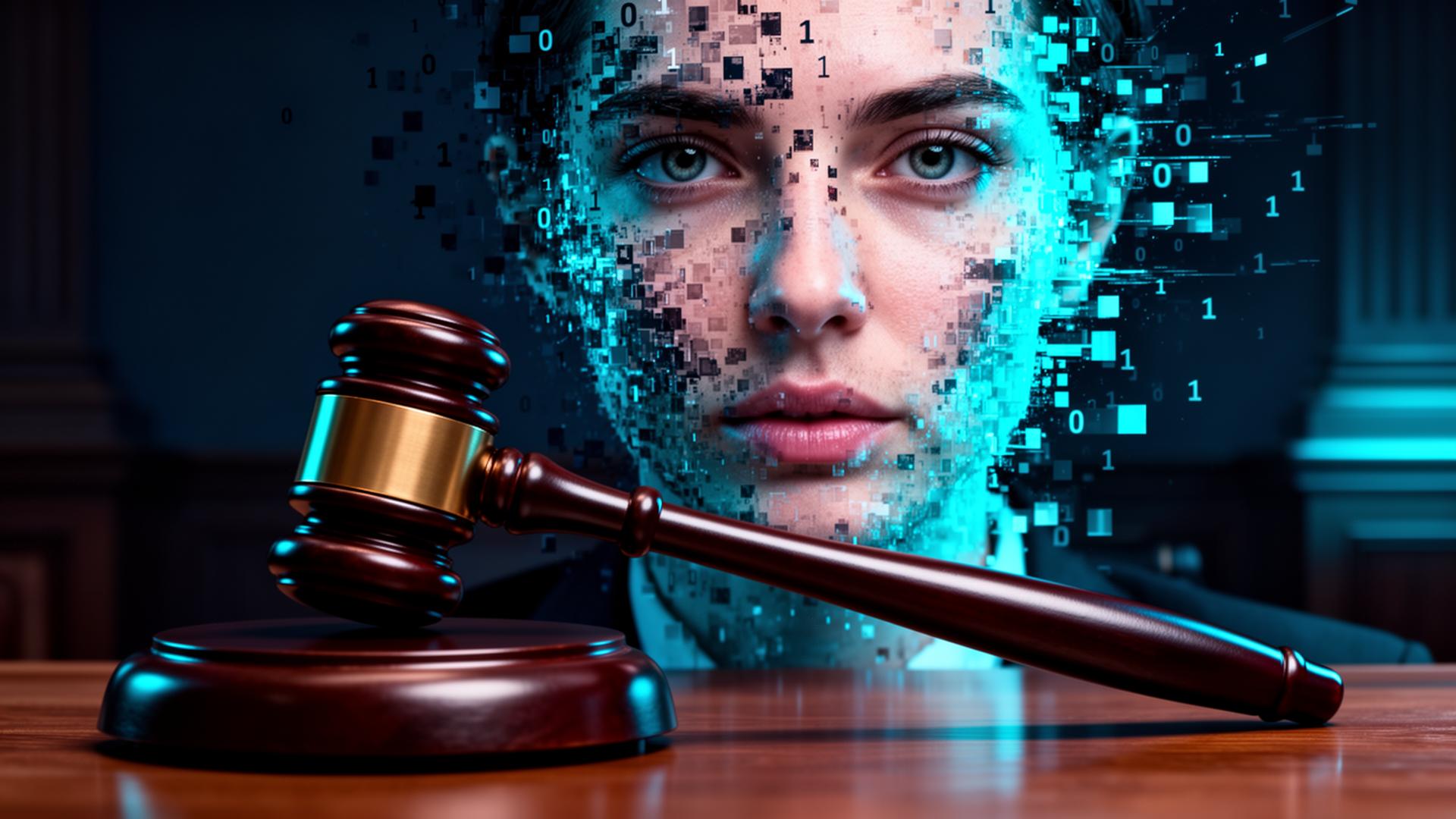
Imagine a dimly lit courtroom where the key evidence is a chilling audio recording of a father threatening his family. Jurors sit transfixed—until a forensic analyst reveals the "smoking gun" was a carefully crafted deepfake. In a recent UK child custody battle, a mother used readily available software and online tutorials to splice together a plausible but false audio file of her ex-husband's voice, hoping to paint him as a violent monster. "If we hadn't been able to challenge this piece of evidence, then it would have negatively affected him and portrayed him as a violent and aggressive man," recalled Byron James, the attorney who uncovered the fabrication.
This true story underscores a nightmare scenario: technology can conjure evidence out of thin air, threatening to turn justice on its head. Now imagine the inverse nightmare – a real video of a crime, dismissed by a jury swayed by a clever lawyer's insinuation that "you cannot believe anything that you see." This is the dual threat deepfakes pose in courtrooms today.
As a former prosecutor turned defense attorney and tech enthusiast, I've spent decades in trial courts on both sides of the aisle. I've felt the weight of evidence that can make or break a case—and I've learned that weight grows unbearable when we can't trust our eyes and ears. Deepfake technology, which uses artificial intelligence to create convincingly fake images, videos, or audio, is forcing us to confront a stark reality: in the digital age, seeing is no longer believing.
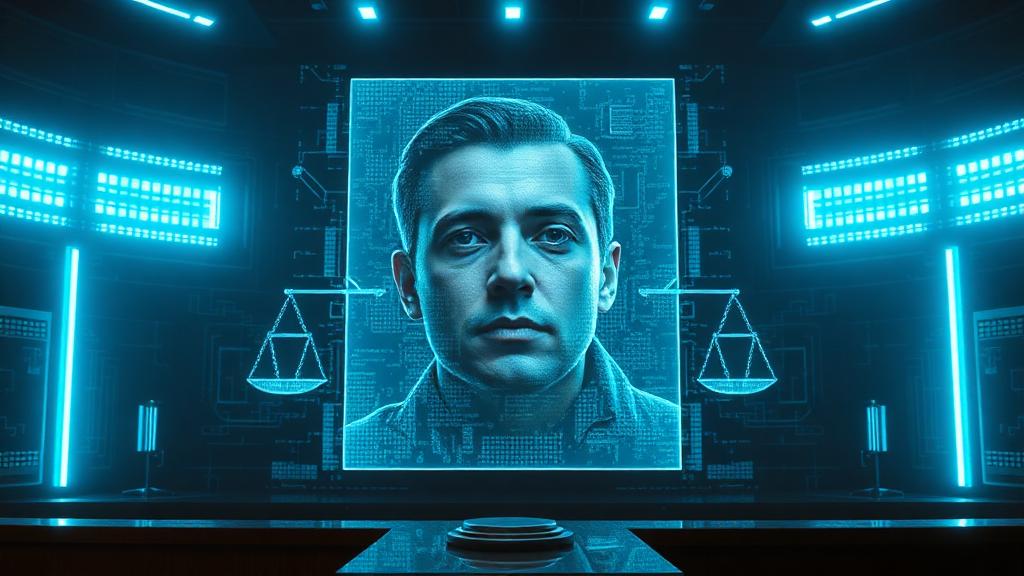
Futuristic courtroom displaying digital evidence on holographic screens
The Dual Threat of Deepfake Evidence
Deepfakes present a two-edged sword to the justice system. On one edge, a party could maliciously present a deepfake as real evidence, framing someone for a crime or undermining a victim's credibility. On the other edge, a party could falsely challenge genuine evidence as a deepfake, exploiting jurors' growing skepticism to avoid liability. In either case, the result is an assault on truth.
"Because deepfakes are designed to gaslight the observer… any truism associated with the ancient statement 'seeing is believing' might disappear from our ethos."
For trial attorneys, this is deeply unsettling. Evidence authenticity—once a relatively straightforward matter of laying a foundation—has become a high-stakes question mark. No longer can we assume a photograph, video, or audio recording "is what the proponent claims it is." A vindictive ex-spouse can fabricate phone call recordings. A savvy fraudster can produce fake security camera footage or doctored documents to support false claims.
Equally troubling, genuinely damning evidence can be wrongly attacked as fake: defense lawyers now float the "deepfake defense", suggesting without proof that incriminating videos or audio might be AI fabrications. In a wrongful death lawsuit against Tesla, for example, the company refused to admit the authenticity of a video of Elon Musk discussing vehicle safety, citing the mere potential that "deepfakes" targeting famous people could make even real recordings suspect. The judge sharply reproached this tactic, warning that one can't "hide behind the potential for [a] recorded statement being a deepfake to avoid taking ownership" of actual statements or deeds.
Deepfakes in the Courtroom: Real Cases, Real Problems
Until recently, deepfakes in court sounded like an urban legend. But a number of real cases have forced judges and lawyers to grapple with this problem, often with inconsistent and troubling results. Let's look at a few examples that read like plotlines from a true-crime drama:
In a civil case involving a Tesla car accident, plaintiffs found a video of Elon Musk making statements about the car's Autopilot safety. When they asked Tesla to admit the video was authentic, Tesla's lawyers balked. They argued that because Musk is famous, the video could be a deepfake, and refused to authenticate it. The court was not amused. It reprimanded Tesla for a slippery-slope argument that would let any celebrity deny their own recorded words simply by crying "deepfake," effectively dodging accountability. In other words, the judge recognized the danger of a blanket deepfake defense – that it could become a convenient escape hatch for the powerful and guilty.
In this case, a defense team tried to turn the tables by alleging deepfake tampering without evidence. The plaintiff's attorney had been caught on video making certain statements, and the defense moved to disqualify that attorney based on the footage. In a desperate counter-move, the plaintiff hired an "expert" to claim the video was a deepfake. The judge saw through it, finding the deepfake allegation baseless and suggesting it showed more about the lawyer's conflicts than any AI trickery. This instance highlights an important point: crying "deepfake" without proof can backfire, and courts are wary of allowing it as a litigation tactic.
Here we see the limits of current rules. The defendant sought to exclude an audio recording of him allegedly making threats, speculating that the tape "could be deepfaked." The prosecution's answer was traditional: have a witness familiar with the defendant's voice listen and confirm it's him. The judge said that's "probably enough to get it in." Under our longstanding evidence rules, a person's testimony that "I recognize that voice" typically is enough to authenticate a recording. But is it enough in the age of AI? A voice that "sounds like the defendant" no longer guarantees authenticity.
Even before the word "deepfake" became common, we saw the seeds of this issue. In Kyle Rittenhouse's high-profile trial, prosecutors introduced an iPad zoomed-in video of the events in question. The defense objected that Apple's pinch-to-zoom might use AI to alter the image, adding pixels that weren't originally there. The judge admitted he knew "less than anyone in the room" about the tech and, erring on the side of caution, refused the zoomed video without immediate expert proof of its reliability. Many observers were stunned – a common digital zoom was treated like a potential deepfake.
During this January 6th riot trial, a video showing the defendant at the scene was admitted without objection. Yet on cross-exam, the defense attorney asked an FBI agent whether the video could have been AI-manipulated. The prosecution objected, but the judge allowed the questioning. Notably, when pressed, the defense had no evidence of any AI fakery at play. Still, the mere suggestion planted the seed of doubt. This is the "deepfake defense" in action – raising a specter of unreality to blunt the impact of damning evidence.
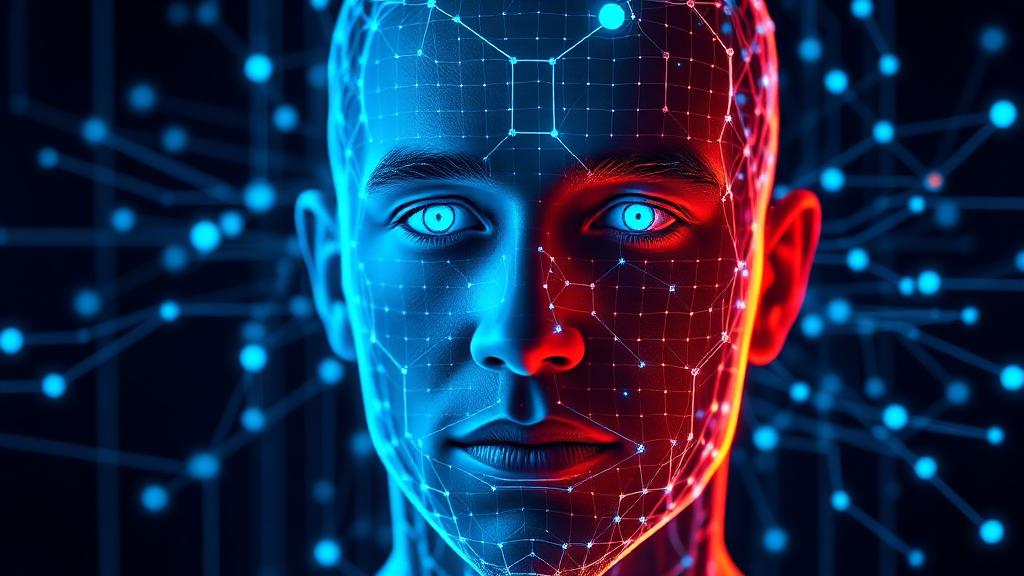
AI-powered deepfake detection analyzing facial features
The Legal Response: Fighting Back Against Deepfakes
How do we safeguard the integrity of trials in this era of digital deception? This question has ignited debates among judges, attorneys, and rule-makers across the country. The good news is the legal system isn't asleep at the switch – proposals are on the table to update our rules of evidence and professional responsibility. The challenge is doing so in a balanced way that neither overreacts (making every case an expensive battle of experts over authenticity) nor underreacts (leaving courts defenseless against sophisticated fraud).
Federal Rulemakers Weigh In: Rule 901(c) and Rule 707
At the federal level, the U.S. Judicial Conference's Advisory Committee on Evidence Rules has been studying how to adapt the venerable Federal Rules of Evidence to the deepfake threat. In April 2024 and again in 2025, this committee (composed of judges, lawyers, and academics) discussed amendments specifically aimed at AI-generated evidence. Two key ideas emerged: one focused on strengthening the authentication rule (Rule 901), and another on treating AI outputs under a new rule akin to expert evidence.
Proposed Rule 901(c)
A "deepfake filter" with a two-step gatekeeping mechanism:
- Threshold Challenge: The opponent must present factual basis for claiming evidence is fake. You can't just yell "deepfake!" and derail the trial.
- Heightened Proof: If threshold met, proponent must prove authenticity by "more likely than not" standard—a significant shift from the normal low bar.
Proposed Rule 707
A new rule for "Machine-Generated Evidence" that would:
- Treat AI-generated outputs similarly to expert testimony
- Subject them to pretrial reliability scrutiny (Daubert-style)
- Require proof of reliable methods and sufficient data
- Mandate consideration of access and transparency
The committee's draft text for Rule 901(c) captures these steps clearly: if the opponent "presents evidence sufficient to support a finding" that the item was fabricated by AI, then the item is only admissible if the proponent "demonstrates to the court that it is more likely than not authentic." This forces judges to actively adjudicate authenticity in questionable cases, rather than just punting to the jury under the old "let them decide what weight to give it" approach.
However, as of late 2025, the Advisory Committee decided not to formally propose the amendment, reasoning that it may be premature to overhaul the evidence rules for a problem that, so far, is more theoretical than widespread. But they kept a draft of Rule 901(c) in reserve "for future consideration should circumstances change." The rule is ready to go if deepfakes start causing more havoc.
The intersection of traditional justice and digital technology
Other Voices: Lawyers and Judges Speak Out
Judge Paul W. Grimm (ret.) and Prof. Maura Grossman
These two are highly respected in the realm of evidence and eDiscovery. They have been leading advocates for rule changes to address AI. Grimm and Grossman originally proposed a version of Rule 901(c) to tackle deepfakes head-on. Their approach sought to empower judges to act as gatekeepers on authenticity, not just leave everything to the jury. They argued that courts should "take the policymaking lead" in confronting deepfakes, at least until legislatures catch up.
Judge Herbert Dixon Jr.
Judge Dixon has chronicled incidents like the deepfake principal recording and stressed that there's currently "no foolproof way" to tell authentic media from AI media. He envisions scenarios where judges might face dueling sworn statements – one from a witness saying "this video is real" and another insisting "it's fake." Dixon's stance underscores the urgency of giving judges better tools – through rules or education – so they don't feel obligated to admit questionable evidence just because they can't be certain on the spot.
Byron James (Family law attorney)
His perspective as a trial lawyer is pragmatic and cautionary. He noted that judges might not even consider the possibility of doctored audio/video unless prompted. "It would never occur to most judges that deepfake audio evidence could be submitted," James said, warning that courts tend to take recordings at face value. His words hit on a key point: education. Even with new rules, if judges and attorneys aren't trained to recognize when deepfakes might be at play, the rules won't get invoked.
Ethics and Bar Associations
Beyond evidentiary rules, the legal ethics community is also stirring. The ABA's Model Rules currently forbid lawyers from knowingly offering false evidence. Louisiana went so far as to enact a novel law in 2025 requiring attorneys to exercise "reasonable diligence to verify the authenticity of evidence" before offering it. If a lawyer in Louisiana turns a blind eye and submits something fake, they can face contempt or disciplinary action. This puts a professional duty on lawyers themselves to be the first line of defense against deepfakes.
International and Future Outlook
Although our focus is U.S. courts, the deepfake problem is a global one. Around the world, legal systems are starting to reckon with how AI forgeries can undermine justice:
United Kingdom
The UK has already faced that headline-grabbing family court case where deepfake audio nearly decided a child's fate. British lawyers are warning that doctored evidence is "being submitted to UK courts," especially in contentious disputes like divorces.
European Union
The problem intersects with the EU's AI Act and digital governance regulations. Countries like France and Germany have passed laws criminalizing certain malicious uses of deepfakes, indicating recognition at the legislative level that deepfakes are a serious threat.
Canada & Australia
These jurisdictions are similarly alarmed. Canada's court system has a robust e-discovery community examining how existing rules might need updates to address AI in digital evidence authentication.
International Criminal Justice
War crime tribunals often rely on video evidence from conflict zones. If perpetrators start injecting deepfakes to deny atrocities, it could hamper justice for victims worldwide. The UN and NGOs are already exploring authentication mechanisms.
The Path Forward: Ensuring Justice Isn't the Victim
With all these changes and challenges, one theme stands out: balance. We must balance innovation and caution, skepticism and trust. The goal is not to turn every trial into an exhausting war of experts over every photo and recording. Nor is it acceptable to pretend deepfakes don't exist. Here are key recommendations:
Invest in Detection and Verification Technology
The legal system should collaborate with technologists to develop better tools for authenticating evidence. Courts might one day employ certified forensic analysts to scan key evidence for signs of tampering. Even simple steps like hashing original video files, using blockchain or other chain-of-custody tech, can help ensure that evidence presented is the same as originally captured.
Judicial Education and Resources
We need to educate our judges (and lawyers) about AI. This means training judges on what deepfakes are, how they're made, what red flags to look for, and how to handle disputes over them. Workshops by technical experts, bench guides on digital evidence, and even hotlines to consult forensic specialists could empower judges to make informed decisions.
Procedural Tweaks
Parties could be required to give early notice if they plan to introduce AI-generated evidence or if they suspect a piece of opponent's evidence is fake. Some are suggesting adding specific questions in discovery about AI: e.g., 'Have you created or altered any evidence in this case using generative AI?'
Address Cost and Access to Justice
Combating deepfakes can be expensive. Hiring forensic experts, doing frame-by-frame video analysis, using advanced software – these can balloon litigation costs. Perhaps public forensic labs or subsidies could help under-resourced defendants or civil litigants get expert help.
Public Awareness and Juries
Jurors are part of the same public that is encountering deepfakes online. Judges may need to instruct juries carefully: explaining what a deepfake is if relevant to a case, but also cautioning that not all video is untrustworthy. It's a delicate line.
Justice is at Stake
The ancient maxim says "the camera doesn't lie." In 2025, we know better – the camera can lie, and lie convincingly. What does this mean for our justice system founded on evidence? It means we must adapt, as surely as we did when DNA science emerged or when computers revolutionized discovery. We stand at a crossroads: either proactively fortify the system against the deepfake scourge, or risk a future where courtrooms descend into epistemic chaos, where any evidence can be countered with "maybe it's fake," and verdicts become coin-flips based on who fooled whom.
Somewhere right now, a tech-savvy criminal is plotting the perfect crime, armed with an AI-generated alibi video that shows him miles away at the time of the crime. And somewhere else, a vindictive individual is forging a video to frame their enemy. Whether these schemes succeed may depend on whether judges, attorneys, and jurors are prepared to question what their eyes behold.
"The jurors are taking their seats. The lights are dimming. The screen is flickering to life with Exhibit 1 – is it real or an AI illusion? For the sake of justice, we'd better be sure."
AI Disclosure
AI may have been used in the generation of this article. Although a human is in the loop and reviewed the content, factual errors can occur in any publication. Always be skeptical and do your own research.
Sources & References
- Byron James, Expatriate Law – Case of deepfake audio in UK custody dispute
- Judge Herbert B. Dixon Jr., D.C. Superior Court (ret.) – On the erosion of "seeing is believing"
- Advisory Committee on Evidence Rules, U.S. Courts – Proposed Rule 901(c) draft and notes (April 2024)
- Quinn Emanuel Urquhart & Sullivan – "Adapting the Rules of Evidence for the Age of AI"
- Womble Bond Dickinson – "AI-Generated Deepfakes in Court"
- Berkeley Technology Law Journal – "Deepfaked Evidence: What Case Law Tells Us…"
- Jones Walker LLP – AI Law Blog – "Synthetic Media and Authenticity Concerns"
- Illinois State Bar Ass'n – "Deepfakes in the Courtroom: Problems and Solutions"
- American Bar Association – "The 'Deepfake Defense': An Evidentiary Conundrum"