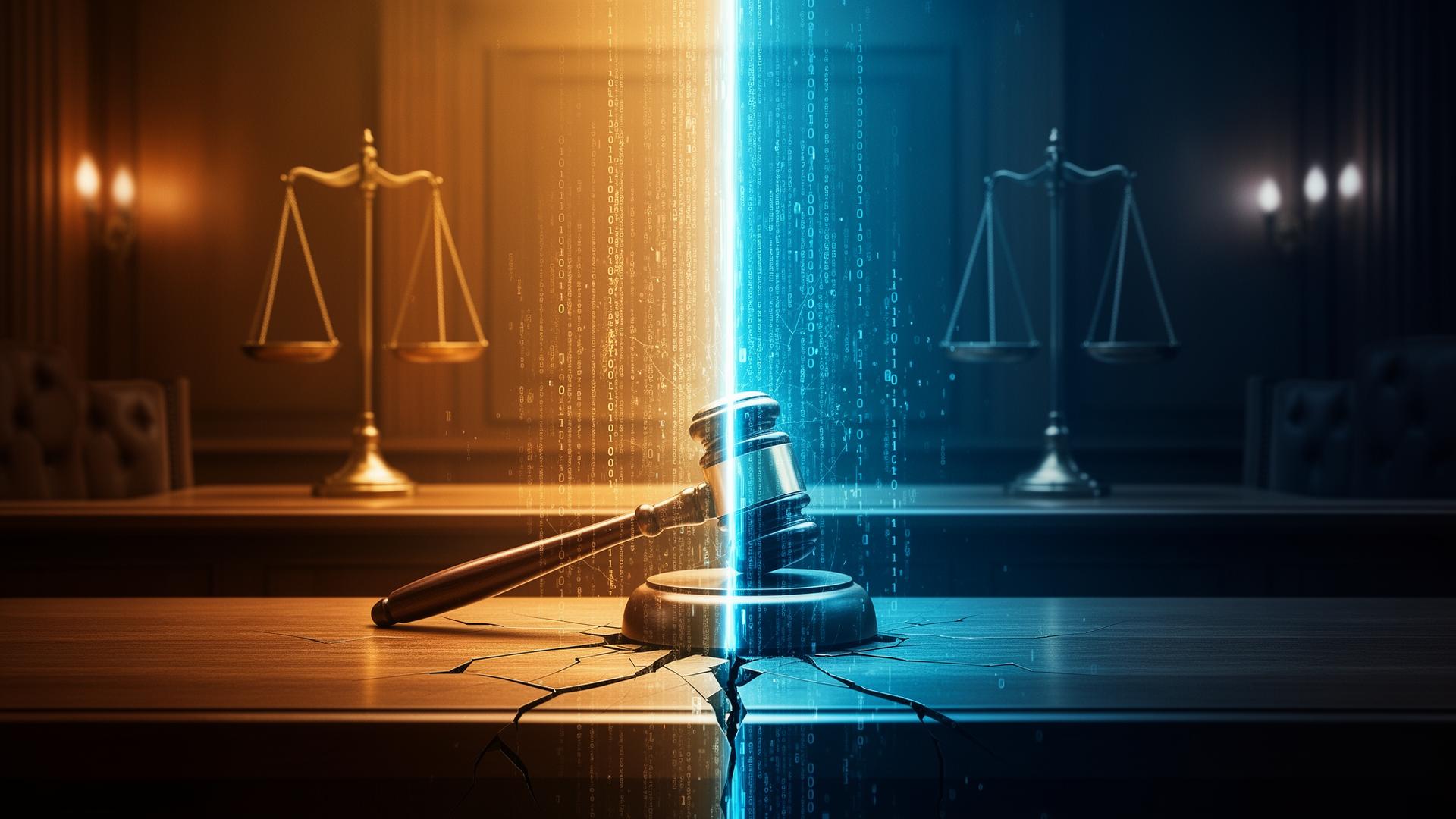
Split courtroom representing the Warner vs Heppner AI privilege divide
    Attorney-Client Privilege
    Circuit Split
    Work Product

    The AI Privilege Debate Is Over Before It Started

    Courts Just Don't Know It Yet

    Matt Mishak

    Matt Mishak, Esq.

    Founder & CEO, LegalTek.ai (SilverTung) | Mishak Law LLC

    25 min read March 4, 2026

    On February 10, 2026, two federal courts issued rulings on the same question — does using generative AI waive privilege or work-product protection? — and reached opposite conclusions. In Warner v. Gilbarco, Inc. out of the Eastern District of Michigan, Magistrate Judge Anthony P. Patti held that ChatGPT is a tool, not a person, and that a litigant's AI-generated materials are protected work product. That same day, in United States v. Heppner out of the Southern District of New York, Judge Jed S. Rakoff held that documents created using Anthropic's Claude were not privileged, in part because the AI platform's privacy policy destroyed any reasonable expectation of confidentiality.

    Same question. Same day. Opposite answers.

    This split is now the defining fault line in legal technology ethics. And I believe one of these courts got it right — and the other fundamentally misunderstood how modern legal practice works.

    Warner v. Gilbarco: AI Is a Tool, Not a Witness

    The facts of Warner are straightforward. Sohyon Warner, a pro se plaintiff in an employment discrimination case, used ChatGPT to research legal questions and draft filings after her attorney withdrew. During discovery, the defendants moved to compel production of every prompt Warner entered into ChatGPT and every response she received — essentially demanding access to her entire internal thought process as filtered through a software tool. This, despite the fact that the court had already modified its protective order on October 30, 2025 to prohibit uploading confidential discovery materials to any AI platform — and the defendants produced no evidence Warner had ever violated that order.

    Judge Patti denied the motion on three independent grounds, and each one matters.

    1

    Work Product Protection

    The court held that Warner's AI interactions constituted work product under Federal Rule of Civil Procedure 26(b)(3)(A). Citing Upjohn Co. v. United States, the court recognized that forcing disclosure of litigation preparation materials reveals a party's mental processes — regardless of whether those processes were filtered through a lawyer's dictation, a word processor, or a generative AI tool.

    2

    No Waiver — AI Is Not a Third Party

    Under established Sixth Circuit precedent, work-product waiver requires disclosure to an adversary or in a manner likely to reach an adversary. But Judge Patti went further: the waiver question was moot because AI is not a third party at all. As the court put it, "ChatGPT (and other generative AI programs) are tools, not persons, even if they may have administrators somewhere in the background." Accepting the defendants' theory would "nullify work-product protection in nearly every modern drafting environment."

    3

    Disproportionate Discovery

    The court found the request was a "fishing expedition" seeking "a litigant's internal mental impressions reformatted through software," untethered from Rule 26 relevance. The court's final admonition was blunt: the defendants' "preoccupation with Plaintiff's use of AI needs to abate."

    "The defendants' preoccupation with Plaintiff's use of AI needs to abate."

    — Magistrate Judge Anthony P. Patti, E.D. Mich.

    Heppner: A Cautionary Tale, Not a Controlling Principle

    United States v. Heppner reached the opposite result, but its facts are extreme — and that matters. Bradley Heppner, the former CEO of Beneficient Company Group, was indicted on securities fraud charges involving over $150 million in alleged losses. Before his arrest but after retaining Quinn Emanuel as defense counsel, Heppner independently used the free consumer version of Anthropic's Claude to create approximately 31 documents outlining defense strategies and legal arguments. Critically, he fed information into Claude that his attorneys at Quinn Emanuel had shared with him — effectively uploading privileged attorney-client communications into a consumer AI platform. Federal agents later seized both the documents and the AI interaction logs from his home.

    Judge Rakoff denied privilege on multiple grounds. Claude is not an attorney, so no attorney-client relationship exists. Anthropic's consumer privacy policy permits the collection of inputs and outputs, training on user data, and disclosure to third parties including government authorities — destroying any reasonable expectation of confidentiality. And because defense counsel did not direct Heppner's AI use, the documents were not prepared "by or at the behest of counsel," failing the work-product test as well.

    The Door Left Open

    In a significant passage of dicta, Judge Rakoff acknowledged that had counsel directed Heppner to use Claude, the AI tool "might arguably be said to have functioned in a manner akin to a highly trained professional who may act as a lawyer's agent within the protection of the attorney-client privilege" — a direct reference to the Kovel doctrine. Even the judge who ruled against privilege conceded that attorney-directed AI use changes the calculus entirely.

    The important distinction is this: Heppner is not a case about whether AI tools waive privilege as a categorical matter. It is a case about a represented criminal defendant who, acting independently of counsel, fed privileged attorney communications into a consumer platform with no contractual confidentiality protections. As DLA Piper aptly observed, the ruling ultimately stands for a relatively conventional proposition — that unprivileged documents created by a non-lawyer using a public tool that disclaimed privacy expectations are not privileged. That is not revolutionary. That is standard privilege doctrine applied to bad facts.

    The Real Question: Tool or Third Party?

    The tension between these two decisions collapses once you ask the right question. The issue is not whether AI is "special" or "different." The issue is whether a software tool used to process, organize, and articulate a litigant's own thoughts should be treated as an adversarial third party for purposes of privilege analysis.

    The answer should be self-evident: no.

    The Warner court is not alone in reaching this conclusion. In Tremblay v. OpenAI, Inc., decided in the Northern District of California in August 2024, District Judge Martínez-Olguín reversed a magistrate's order compelling the production of AI prompts, holding that the prompts were "queries crafted by counsel and contain counsel's mental impressions and opinions about how to interrogate ChatGPT." The court classified them as opinion work product — the highest category of protection, entitled to near-absolute immunity from discovery.

    Treating AI as a third party to whom disclosure is made ignores how modern legal practice functions. Every law firm in America uses cloud-based document management, email servers hosted by third parties, and legal research platforms that process confidential queries. More than 30 states have issued ethics opinions permitting cloud computing for lawyers, applying the ABA's "reasonable efforts" standard from Formal Opinion 477R. No court has held that uploading a privileged memorandum to Google Drive, sending it through Gmail, or running a search on Westlaw waives the privilege — even though those platforms' terms of service contain language functionally identical to the Anthropic privacy policy that Judge Rakoff found dispositive in Heppner.

    Warner (E.D. Mich.)

    AI is a tool, not a person.

    Work product protection applies.

    No waiver — AI is not a third party.

    Heppner (S.D.N.Y.)

    Consumer AI platform destroyed confidentiality.

    Client acted independently of counsel.

    Bad facts — not a categorical rule.

    Contractual Terms Matter More Than Labels

    Legal technology expert Jennifer Ellis has made this point forcefully, arguing that Rakoff's confidentiality analysis "applies a framework that might make sense for social media but does not fit the way AI tools actually work." Her critique cuts to the core: Google, Microsoft, Apple, and Dropbox all reserve similar rights in their privacy policies to those Anthropic disclosed — including the right to share data with government authorities. If Rakoff's standard were applied consistently, uploading a privileged memo to Google Drive would also waive privilege. The entire cloud computing infrastructure of the modern law firm would be at risk.

    The reasonable expectation of confidentiality does not exist in a vacuum. If a platform's terms allow user inputs to be stored, reviewed, or used for model training beyond the immediate interaction, courts may view that differently than a system with strict contractual restrictions on data use. This is the one area where Heppner's analysis has practical value: it highlights the critical distinction between consumer AI tools and enterprise deployments.

    Enterprise-grade AI tools — the ones sophisticated law firms and legal technology companies are deploying — contractually prohibit training on user data, restrict human review of inputs, include data processing agreements, and offer SOC 2 compliance certifications. The ABA recognized this distinction in Formal Opinion 512, its first formal guidance on generative AI in legal practice, which explicitly tied ethical AI use to the same reasonable-efforts framework that governs cloud computing and outsourcing.

    Technology providers should be viewed as service vendors or agents that facilitate representation — not as hostile third parties waiting to betray their users' confidences. To hold otherwise would impose a standard on AI tools that we do not impose on any other technology lawyers use daily.

    The Profession Must Evolve — For Our Clients' Sake

    There is a deeper principle at work here, one that extends beyond the privilege doctrine. The legal profession's concept of what it means to serve clients is changing, and the privilege debate is a symptom of a broader institutional resistance to that change.

    "Legal professionals should be planning for the legal market as it will be and not as it once was … most lawyers are currently skating to where the puck used to be."

    — Richard Susskind, Tomorrow's Lawyers

    That observation reframes the entire privilege debate. The question is not whether lawyers should be permitted to use AI tools. The question is whether lawyers can fulfill their professional obligations to their clients without them. For a solo practitioner preparing a domestic relations case with limited resources, AI tools are not a luxury — they are the difference between a client who receives competent, thorough representation and one who does not. For a pro se litigant like Ms. Warner, they may be the only way to meaningfully access the legal system at all.

    The tension of privilege doctrine must ultimately cede to the practical necessity for lawyers to use AI tools to more efficiently help their clients. We are moving from a model in which the lawyer is the exclusive gatekeeper of legal knowledge to one in which the lawyer's role is to help clients help themselves — to be a guide through an increasingly technology-enabled legal landscape rather than a bottleneck standing between people and justice.

    Lawyers who resist this transformation are not protecting privilege. They are protecting obsolescence.

    Where We Go From Here

    The Warner/Heppner split will not be the last word on this question. But for practitioners navigating the current landscape, the path forward is clear.

    Use enterprise-grade AI tools with contractual confidentiality protections.

    Ensure your platform's data practices align with the reasonable-efforts standard established by ABA Opinions 477R and 512.

    When AI is used in litigation preparation, document attorney direction and supervision — Heppner itself tells us that attorney-directed use may qualify for Kovel protection.

    Treat AI interaction logs as electronically stored information subject to preservation obligations.

    Focus on whether confidentiality was reasonably maintained — not on whether the word "AI" appears somewhere in the workflow.

    Bottom Line

    Judge Patti had it right. The legal profession's preoccupation with the AI label needs to abate. The focus should remain on what it has always been: whether the attorney or litigant took reasonable steps to maintain the confidentiality of privileged communications. That standard has governed email, cloud computing, outsourcing, and every other technological transformation the profession has absorbed. There is no reason it should not govern AI as well.

    The tools change. The obligation does not.

    Download the Full Article

    Get the complete article as a Word document for offline reading, sharing with colleagues, or CLE reference.

    Download .DOCX

    Case References

    Warner v. Gilbarco, Inc., No. 2:24-cv-12333, 2026 WL 373043 (E.D. Mich. Feb. 10, 2026) (ECF No. 94)

    United States v. Heppner, No. 25-cr-00503-JSR, 2026 WL 436479 (S.D.N.Y. Feb. 17, 2026)

    Tremblay v. OpenAI, Inc., 2024 WL 3748003 (N.D. Cal. Aug. 8, 2024)

    United States v. Kovel, 296 F.2d 918 (2d Cir. 1961)

    Upjohn Co. v. United States, 449 U.S. 383 (1981)

    ABA Formal Opinion 512 (July 29, 2024)

    ABA Formal Opinion 477R (2017)

    Matt Mishak

    Matt Mishak, Esq.

    Matt Mishak is a practicing attorney with 20 years of experience in Ohio family law and domestic relations, and a former Chief Prosecutor and criminal defense attorney. He is the Founder and CEO of LegalTek.ai LLC, operating as SilverTung, an AI-powered legal document automation platform. He also serves as Law Director for the Village of South Amherst, Ohio. A longstanding advocate for the intersection of technology and law, Matt was an early pioneer in drone technology as founder of DroneWerx and Dronelaw.us. The views expressed in this article are his own and do not constitute legal advice.

    Not legal advice; this is general education and risk-spotting. For specific issues, talk to counsel in your jurisdiction.

    AI Disclosure: This article was human-reviewed but may contain AI-generated elements. Readers should conduct their own research and remain skeptical of potential factual errors.
    Recommended Reads

    Essential Reading for the AI Era

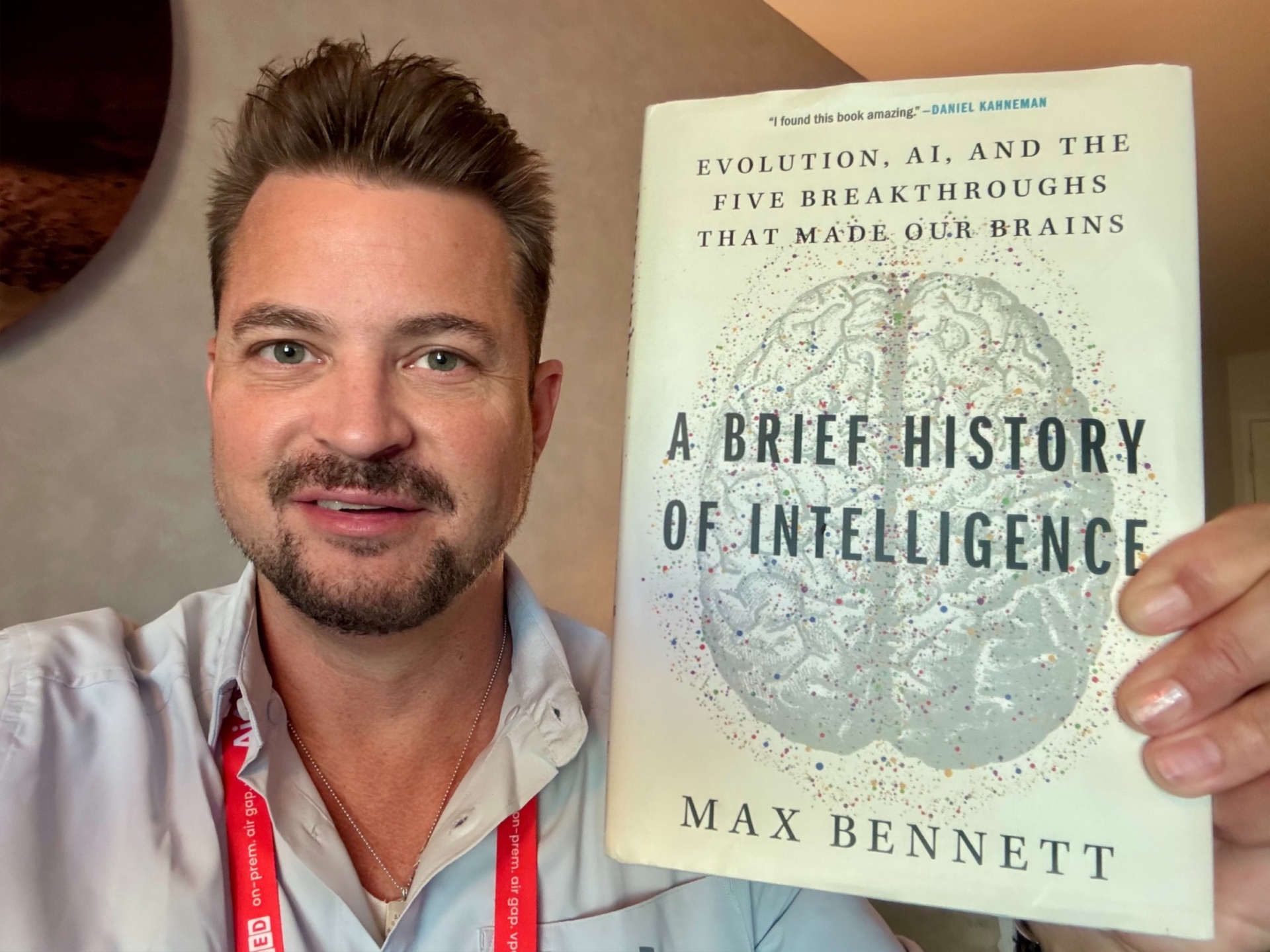
    Matt Mishak with A Brief History of Intelligence by Max Bennett

    A Brief History of Intelligence

    by Max Bennett

    For me, A Brief History of Intelligence wasn't just another science book — it was the most inspiring read of 2025. Max Bennett doesn't merely explain evolution and AI; he illuminates the arc of our cognitive journey from the simplest organisms to the complex minds we carry today and links that journey to the future of artificial intelligence in a way few authors have managed.

    Reading this book felt like a conversation with a brilliant guide who makes both neuroscience and AI feel vivid, urgent, and deeply meaningful. As someone immersed in law and technology, I found Bennett's insights not just informative but transformative — reminiscent of discussions at the Dartmouth Conference itself.

    Get the Book

    Praise from Visionaries

    "I found this book amazing. I read it through quickly because it was so interesting, then turned around and read much of it again."

    — Daniel Kahneman

    Nobel Laureate in Economics

    "I've been recommending A Brief History of Intelligence to everyone I know. A truly novel, beautifully crafted thesis on what intelligence is and how it has developed since the dawn of life itself."

    — Angela Duckworth

    Author of Grit

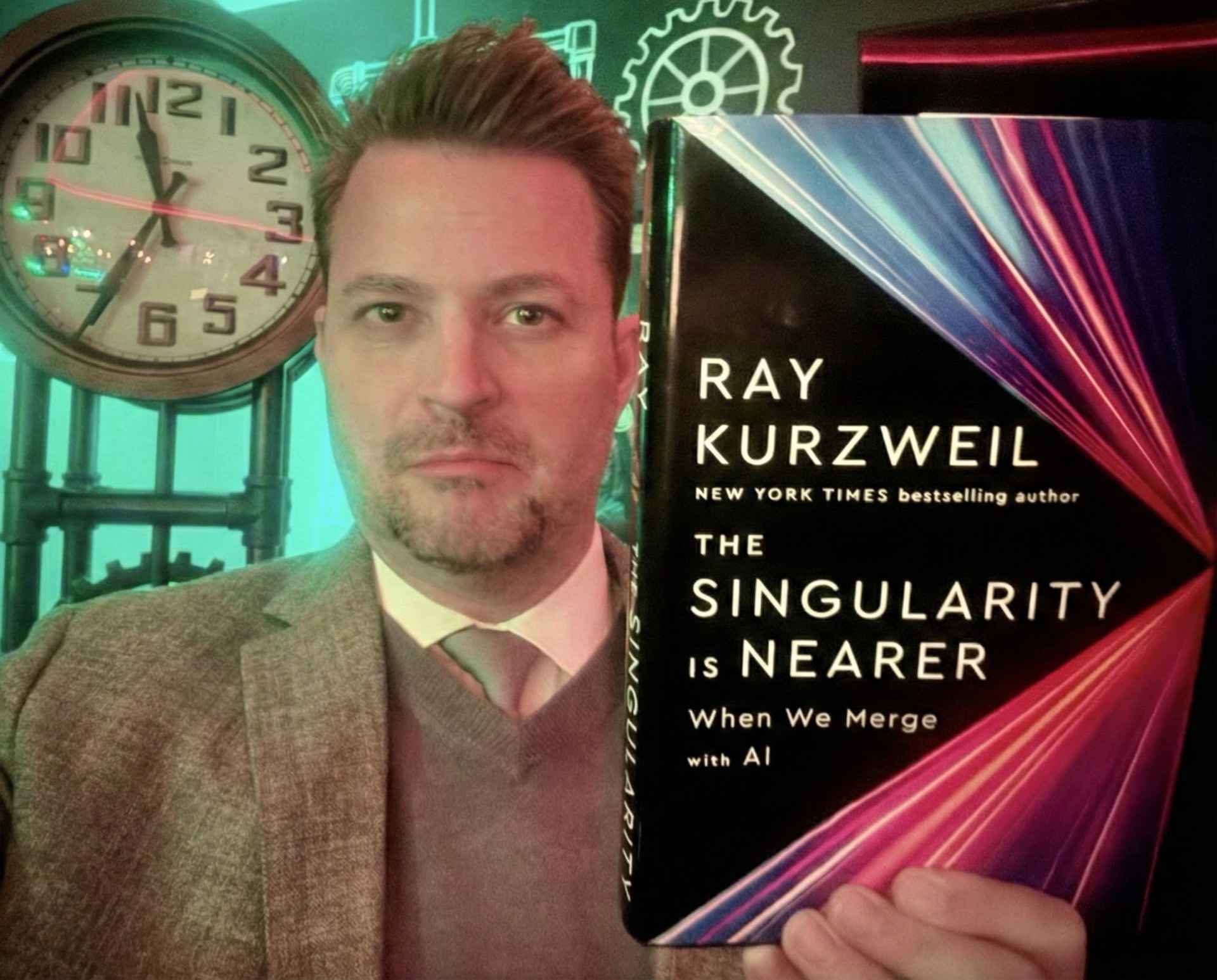
    Matt Mishak with The Singularity Is Nearer by Ray Kurzweil

    The Singularity Is Nearer

    by Ray Kurzweil

    Ray Kurzweil is not just a futurist — he's a prophet of exponential change. A student of Marvin Minsky, one of the founding minds behind the Dartmouth Conference, Kurzweil has been thinking about this moment longer than most institutions have been around.

    If you don't know Ray Kurzweil, you should. The Singularity Is Nearer makes one thing clear: the future isn't coming slowly — it's arriving all at once.

    Get the Book

    Praise from Visionaries

    "A fascinating exploration of our future, which raises the most profound philosophical questions."

    — Yuval Noah Harari

    Historian

    "Ray Kurzweil is the greatest oracle of our digital age. The Singularity Is Nearer is more than just a book—it's a survival guide for the technological renaissance we're about to experience."

    — Peter H. Diamandis, MD

    Futurist & Entrepreneur

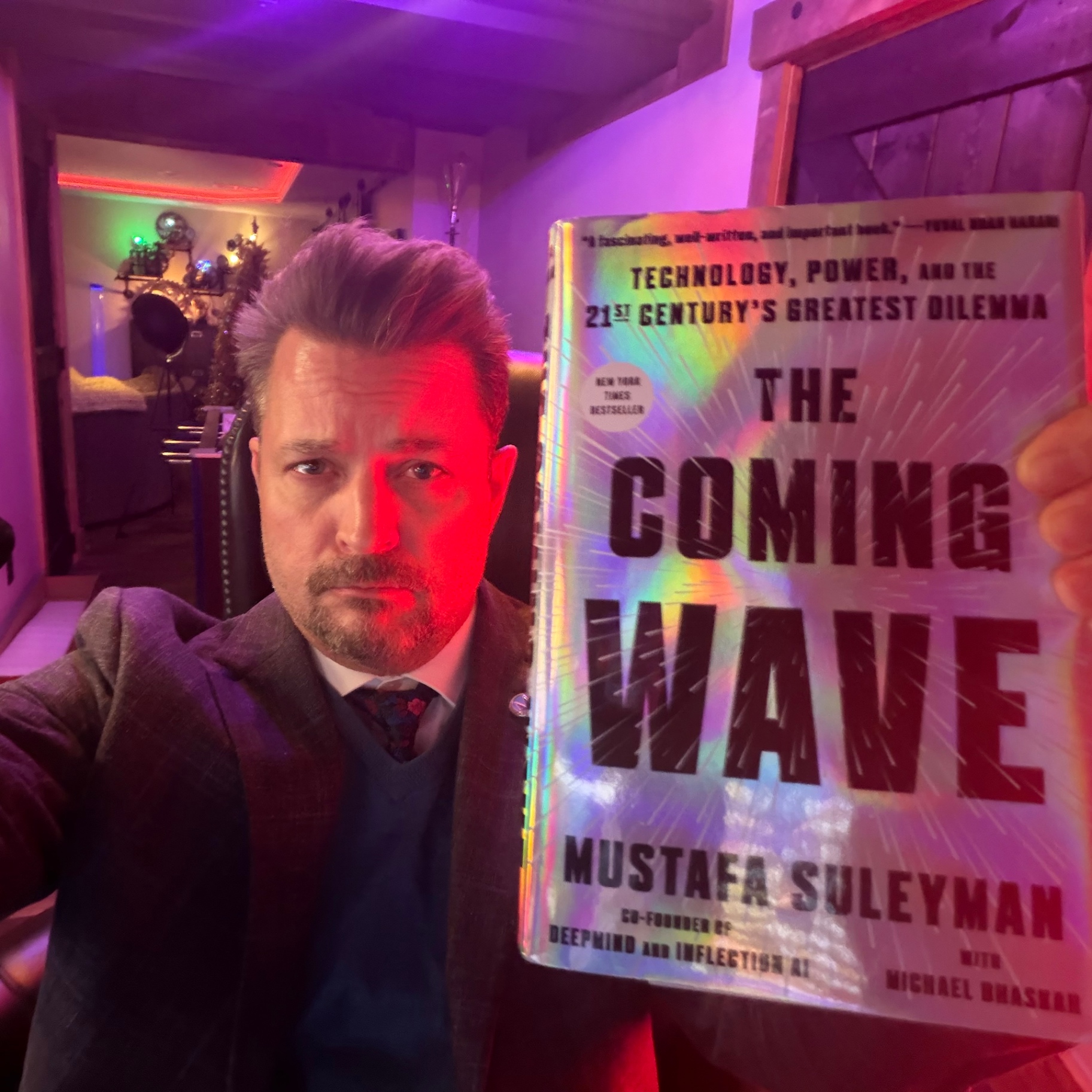
    Matt Mishak with The Coming Wave by Mustafa Suleyman

    The Coming Wave

    by Mustafa Suleyman & Michael Bhaskar

    This isn't a hype book about shiny tools. It's a sober, urgent examination of what happens when powerful technologies scale faster than our institutions, laws, and social norms. Suleyman's core message is simple but uncomfortable: the future is not something that merely happens to us. It requires participation.

    The coming wave of AI and biotechnology will not be safely "managed" by a small group of technologists or regulators alone. Containment, governance, and alignment demand broad engagement across professions, industries, and communities. Sitting on the sidelines is not a neutral position. Non-participation is still a choice, and usually a costly one.

    What makes this book especially relevant for LegalTek.ai is its insistence that responsibility must scale with capability. Lawyers, operators, founders, and leaders cannot outsource judgment to systems or defer hard questions to later. The work is now: designing guardrails, rethinking institutions, and choosing to engage rather than react. Participation is the point.

    Get the Book

    Praise from Visionaries

    "A fascinating, well-written, and important book."

    — Yuval Noah Harari

    Historian

    "One of the most important books of the year. Suleyman is one of the few people who truly understands both the promise and peril of AI."

    — Eric Schmidt

    Former CEO of Google

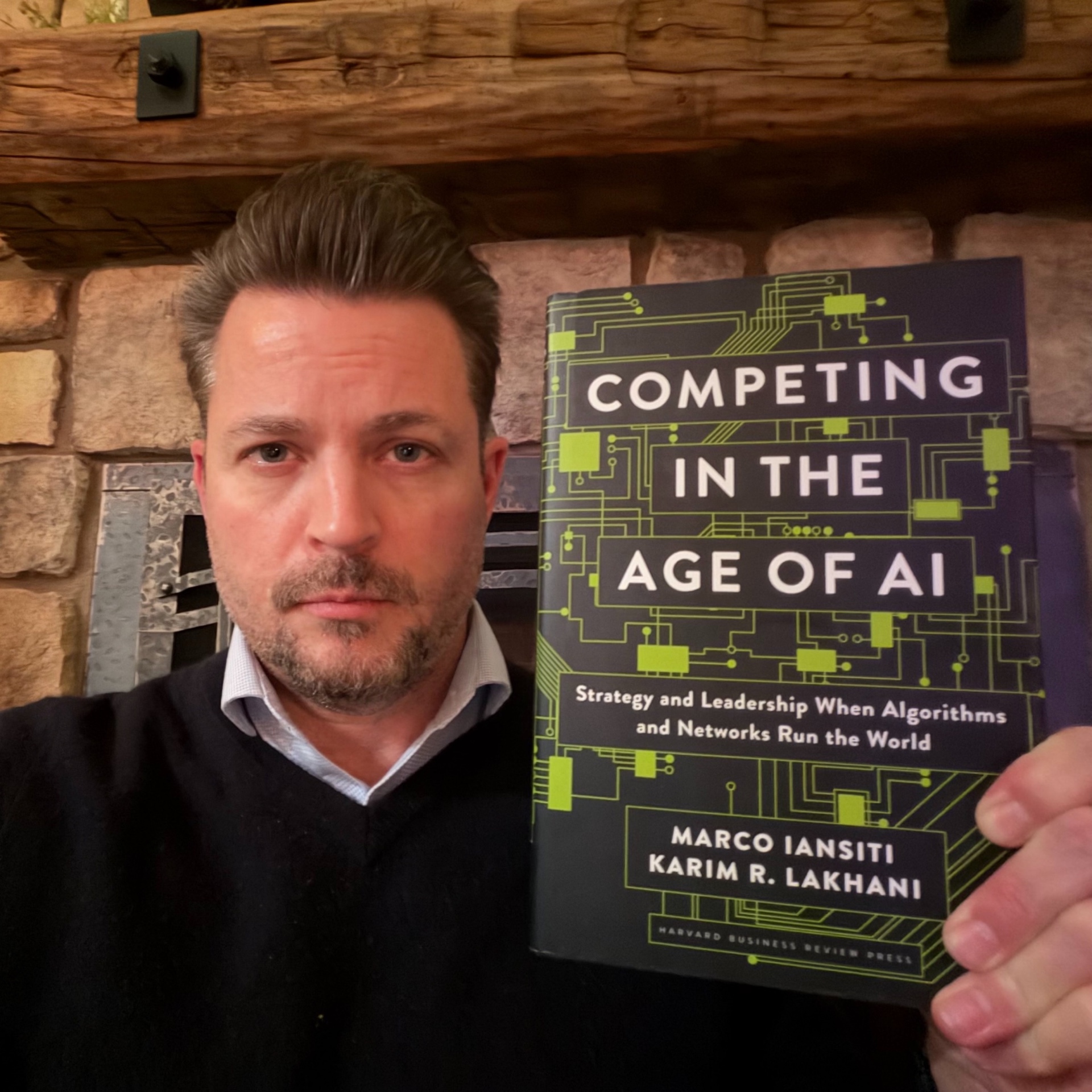
    Matt Mishak with Competing in the Age of AI by Marco Iansiti and Karim R. Lakhani

    Competing in the Age of AI

    by Marco Iansiti & Karim R. Lakhani

    Marco Iansiti and Karim R. Lakhani's Competing in the Age of AI is not a book about tools. It is a book about power, structure, and survival in an economy where software, data, and algorithms increasingly define competitive advantage. The central thesis is simple but unsettling: companies do not become AI-powered by sprinkling models on top of legacy processes. They must reorganize themselves around AI as a core operating logic.

    An AI-First organization treats data as infrastructure, not exhaust. Data lakes are not passive storage systems; they are living strategic assets continuously fed by operations, customers, and markets. The firms that win are those that design feedback loops where data improves models, models improve decisions, and decisions generate more data. This flywheel compounds faster than any traditional efficiency play.

    The book is particularly sharp on disruption. AI does not merely automate tasks; it collapses coordination costs. Entire layers of management, intermediaries, and professional gatekeepers become vulnerable when prediction and decision-making move closer to real time. This is why AI-driven firms tend to scale faster, operate with fewer humans per dollar of revenue, and exert outsized pressure on incumbents.

    Equally important is the authors' treatment of ethics and governance. AI systems embed values, whether intentionally or not. Bias, accountability, transparency, and trust are not compliance checkboxes; they are strategic concerns. Organizations that fail to govern AI responsibly risk regulatory backlash, reputational damage, and internal breakdowns of trust.

    Why this matters for LegalTek.ai: law, regulation, and professional services are precisely the kinds of industries ripe for AI-driven reconfiguration. Firms that treat AI as a bolt-on tool will fall behind. Firms that rethink workflows, data ownership, trust, and human judgment alongside AI will define the next era. If you are building, advising, regulating, or investing in the future of legal and professional services, this book belongs on your desk.

    Get the Book

    Praise from Visionaries

    "A compelling vision for how companies must transform to thrive in an AI-first world."

    — Satya Nadella

    CEO of Microsoft

    "Essential reading for any leader trying to understand how AI will reshape industries and competitive dynamics."

    — Reid Hoffman

    Co-founder of LinkedIn

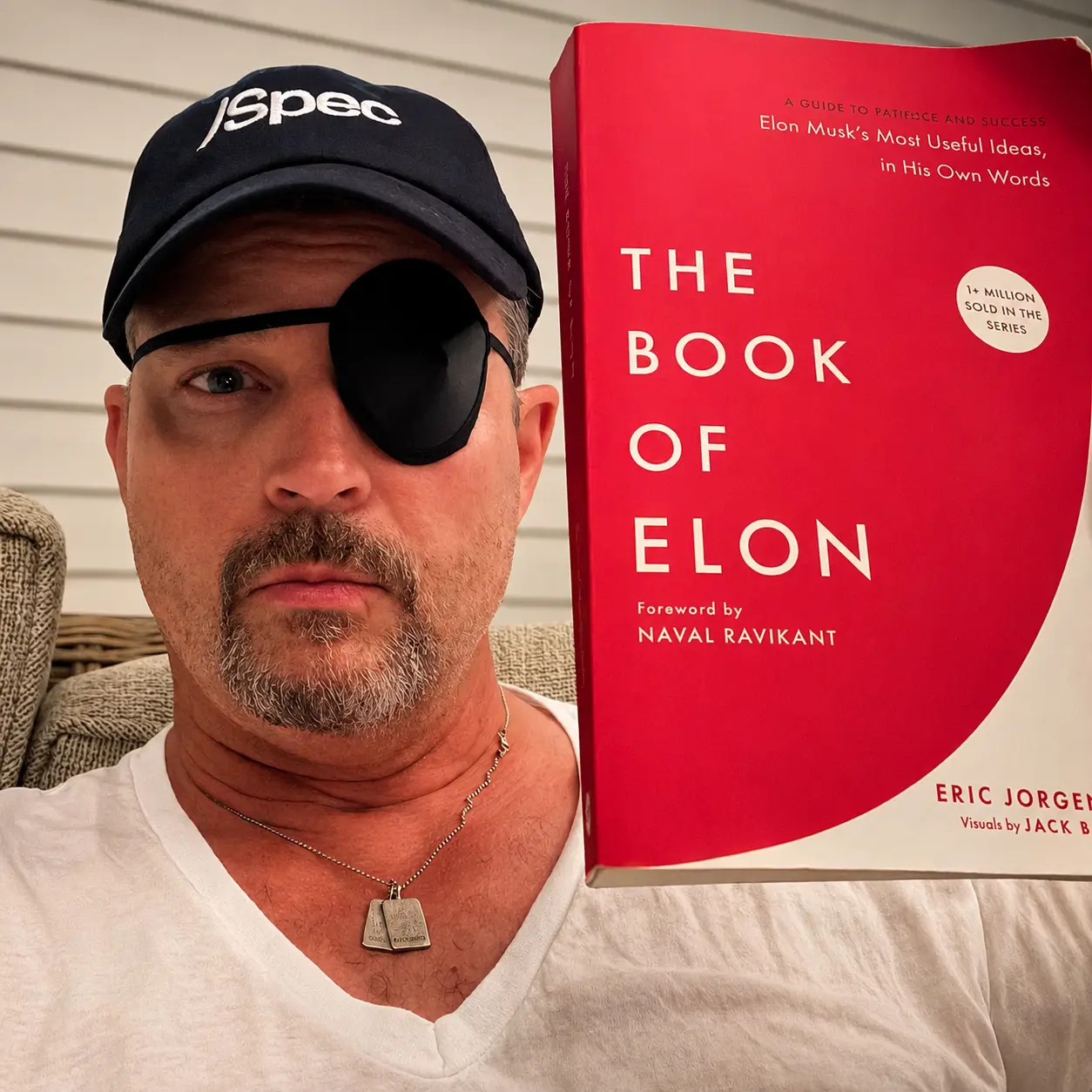
    Matt Mishak with Nexus by Yuval Noah Harari

    Nexus

    by Yuval Noah Harari

    Nexus by Yuval Noah Harari is a foundational text for anyone trying to understand how information systems shape power, institutions, and human behavior—especially as we enter an AI-driven era. Harari reframes history not as a story of tools or even ideas, but as a story of networks: who controls information flows, how trust is manufactured, and how coordination scales.

    For LegalTek.ai, this book matters because law is itself an information network. Courts, statutes, contracts, evidence, compliance regimes, and now AI models are all nodes in a living system that governs behavior at scale. Harari makes one idea uncomfortably clear: technology does not just make systems faster—it reshapes who holds authority and how legitimacy is created.

    He explores how information networks drift toward concentration, how automated decision systems can harden power asymmetries, and how societies repeatedly mistake efficiency for wisdom. These themes map directly onto modern legal technology questions around AI-assisted decision-making, automated compliance, algorithmic evidence, and the risk of opaque systems replacing human judgment.

    Key insights: First, information systems always encode values—neutral tools do not exist. This reinforces the need for explicit governance, auditability, and human oversight in legal AI. Second, scale changes ethics—what works for a small network can become dangerous when automated and deployed broadly. Third, institutions lag technology—law historically reacts after power has already shifted.

    Nexus supports a core LegalTek.ai principle: AI in law must be human-centered, transparent, and institutionally aware. The future of legal technology is not about replacing lawyers—it is about redesigning legal systems so that intelligence, whether human or artificial, serves fairness, legitimacy, and trust at scale. Highly recommended for anyone building, regulating, or relying on AI-driven legal systems.

    Get the Book

    Praise from Visionaries

    "Harari has done it again. Nexus is a sweeping, thought-provoking exploration of how information has shaped human history—and how AI might reshape our future."

    — Bill Gates

    Co-founder of Microsoft

    "A masterful synthesis of history, technology, and human nature. Essential reading for understanding where we're headed."

    — Daniel Kahneman

    Nobel Laureate in Economics

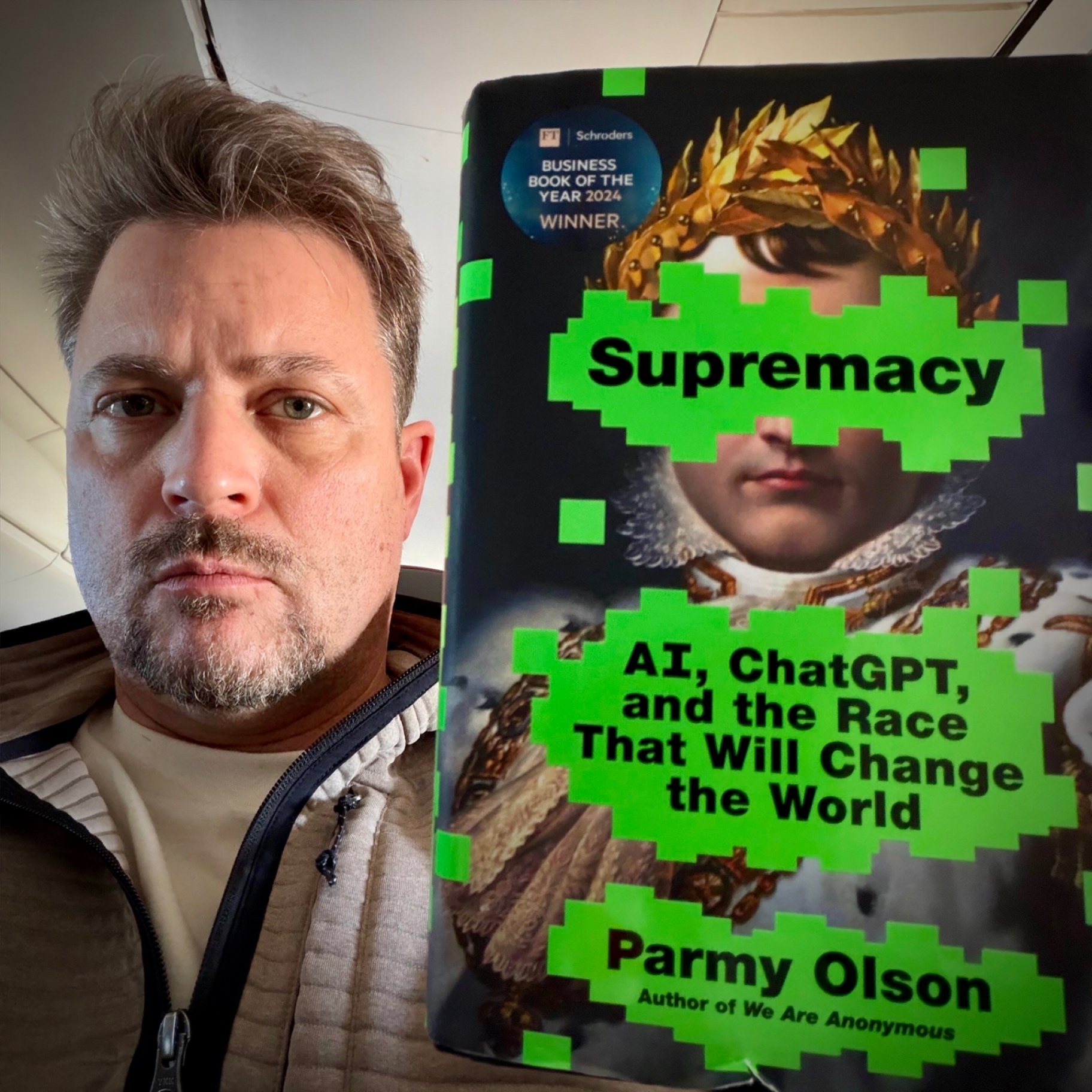
    Matt Mishak with Supremacy by Parmy Olson

    Supremacy

    by Parmy Olson

    Parmy Olson's Supremacy is the book I wish every lawyer, regulator, and founder would read before making their next move in AI. Winner of the Financial Times and Schroders Business Book of the Year 2024, this is not another breathless hype piece about what AI might do someday. It is a meticulously reported account of what has already happened — and what it means for power, competition, and control.

    Olson, a Bloomberg columnist and author of We Are Anonymous, brings a journalist's rigor and a storyteller's instinct to the AI arms race between OpenAI and Google DeepMind. She traces how a small number of researchers, executives, and investors are making decisions that will reshape every industry on earth — including law. The central tension is not technical; it is human: ambition versus caution, open research versus commercial secrecy, safety versus speed.

    What makes this book essential for LegalTek.ai readers is its unflinching examination of concentration risk. The foundation models that power legal AI products are controlled by a handful of companies. Olson documents how acquisitions, talent wars, and compute monopolies are narrowing the field in ways that should concern anyone building on top of these platforms. If you are a legal technology founder or an enterprise buyer evaluating AI vendors, this book provides the geopolitical and corporate context you cannot afford to ignore.

    Supremacy reinforces a core LegalTek.ai principle: understanding AI is not optional for legal professionals. The race for AI supremacy is not happening in a vacuum — it is reshaping the infrastructure of knowledge work itself. Lawyers who understand the forces Olson describes will be better positioned to advise clients, evaluate tools, and navigate the regulatory landscape that is still being written.

    Get the Book

    Praise from Visionaries

    "Astonishing... Olson has exclusive access to a network of high-level sources and she uses it to devastating effect."

    — Financial Times

    Business Book of the Year 2024

    "A deeply reported, utterly gripping account of the most consequential technology race of our time."

    — Tony Fadell

    Creator of the iPod, Author of Build

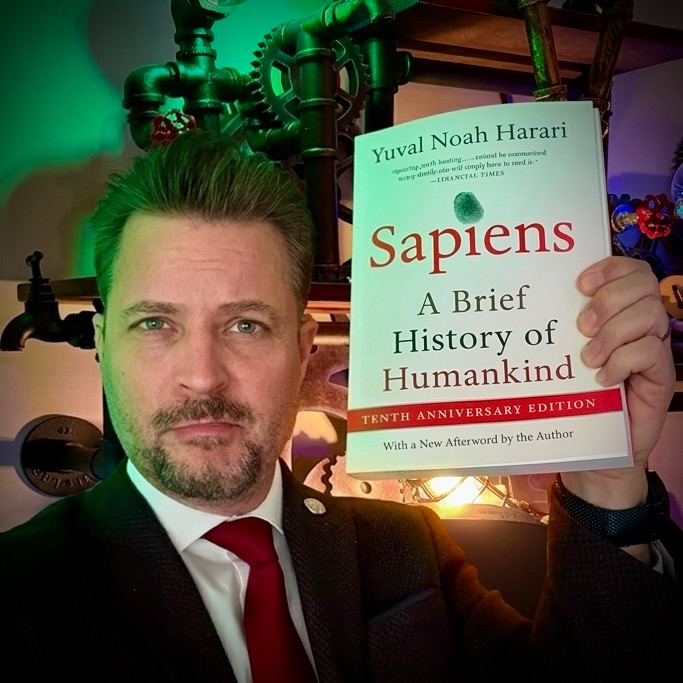
    Matt Mishak with Sapiens by Yuval Noah Harari

    Sapiens: A Brief History of Humankind

    by Yuval Noah Harari

    Sapiens is the book that rewired how I think about everything — law, technology, institutions, and human cooperation itself. Yuval Noah Harari doesn't just survey 70,000 years of human history; he dismantles the stories we tell ourselves about why civilization works. His central insight is deceptively simple: humans dominate the planet not because we are the smartest or strongest, but because we are the only species that can cooperate flexibly in large numbers — and we do it through shared fictions.

    For anyone in law or legal technology, this idea should hit like a thunderbolt. Laws, contracts, corporations, courts, constitutions — these are all shared fictions. They work because enough people believe in them. Harari forces you to see the scaffolding behind the systems we take for granted, and once you see it, you cannot unsee it.

    As AI begins to reshape how we create, interpret, and enforce these shared fictions, Sapiens becomes even more essential. If you want to understand where legal systems came from — and why they are so vulnerable to disruption — start here. This is the foundation that makes Nexus, The Coming Wave, and every other book on this list hit harder.

    Get the Book

    Praise from Visionaries

    "Interesting and provocative... It gives you a sense of how briefly we've been on this earth."

    — Barack Obama

    44th President of the United States

    "I would recommend this book to anyone interested in a fun, engaging look at early human history... You'll have a hard time putting it down."

    — Bill Gates

    Co-founder of Microsoft

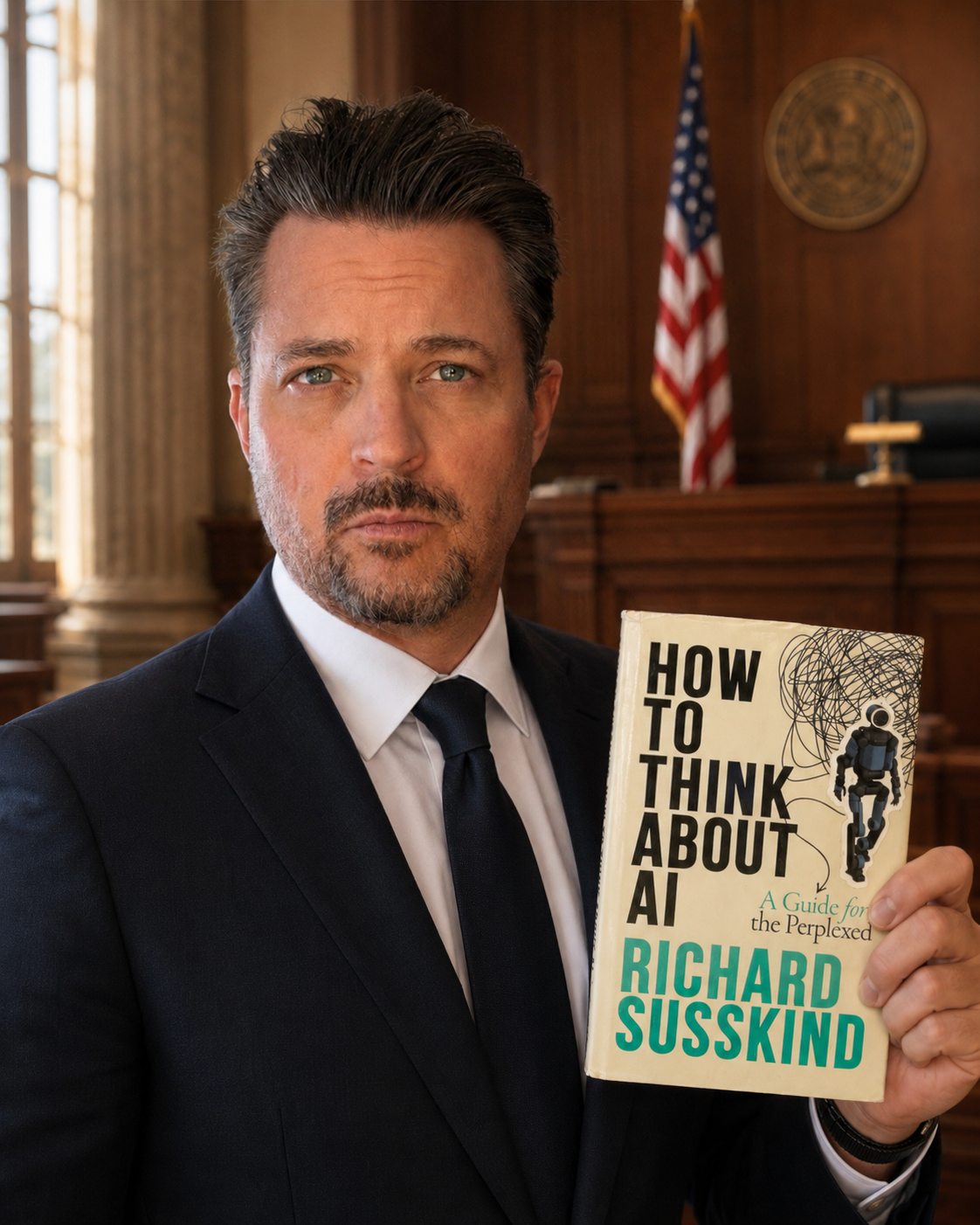
    Matt Mishak with How to Think About AI by Richard Susskind

    How to Think About AI: A Guide for the Perplexed

    by Richard Susskind

    Richard Susskind has spent four decades thinking about the future of professional work, and How to Think About AI is the distilled vocabulary every lawyer needs for the decade ahead. This is not a tactical book about prompts or tools — it is a structured way of thinking about what AI is, what it is becoming, and what it implies for the institutions that depend on human judgment.

    The chapter that most repays a careful read is Susskind's framing of the four long-run scenarios for the human–AI relationship: AI takeover, merger, peaceful coexistence, and shut-off. He treats each seriously, not as prediction but as the realistic shape of the possibility space. His argument is that any serious conversation about AI policy or professional practice has to hold all four open at once — and most public debate collapses prematurely into one.

    For Ohio attorneys orienting around the COUNSEL Framework, this book pairs naturally with ABA Formal Opinion 512 and the Ohio Supreme Court's AI Task Force Report. The opinions tell you what your duties are. Susskind helps you decide what you believe about where the technology is headed — and that belief shapes every governance and oversight choice that follows.

    Get the Book

    Praise from Visionaries

    "Susskind is the world's leading authority on the future of legal services and one of the most lucid writers on AI for non-specialists."

    — The Times (London)

    Review

    "An indispensable guide for anyone who wants to think clearly about what AI means for their work, their profession, and their life."

    — Daniel Susskind

    Author of A World Without Work